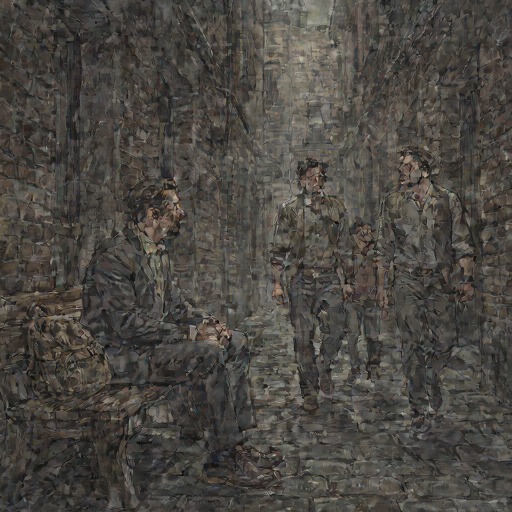
Winter
My Hot Secret: Geheimes Baby mit dem CEO Milliardär - Enemies to Lovers (German Edition)Winter marks the book’s transition from romantic possibility to impending parenthood. It is the season in which Ava’s pregnancy is no longer merely a secret she manages but a visible, physically demanding condition shared with Gabriel, culminating in the unexpected rupture of her waters. Its coldness contrasts with the warmth of care, food, family, and renewed commitment that surrounds the couple.
Winter as Setting
Winter arrives over San Francisco with air that carries a cold edge. The climate is not as severe as farther north, but it is cold enough to require warm clothing, especially in the early morning and late afternoon. This seasonal detail accompanies Ava and Gabriel as they leave the building for the bakery, making the city’s atmosphere part of an ordinary routine rather than a picturesque travel interlude.
The winter park preserves a different kind of vitality. Ava and Gabriel find a sunny bench at the end of the day, when the park remains busy despite the season. The trees have lost the leaves that made them beautiful in autumn, yet the grass is green and lush because of the winter rains. The scene therefore presents winter not as lifelessness but as a stripped-down environment in which persistence and renewal remain visible.
Bodily Change and Medical Reality
By winter, Ava’s body has become difficult to conceal. She walks toward the bakery with Gabriel, but her large abdomen shifts her center of gravity so noticeably that walking becomes a waddle. The physical change gives concrete form to the pregnancy that once appeared only through nausea, secrecy, and a positive test. What had been an interior crisis has become a condition that reorganizes movement, clothing, meals, and the couple’s daily pace.
Food connects the season to pregnancy and to Gabriel’s work as a baker. Ava has developed an intense craving for pastries and bread, teasing Gabriel that his family’s baking inheritance is already showing itself in their baby. Gabriel receives the joke as a compliment. At the bakery, he brings out croissants waiting in paper bags, while the staff greet Ava warmly and demonstrate that she has become part of the community around him.
The same pregnancy that creates domestic sweetness also carries medical urgency. Earlier symptoms had included overwhelming nausea: ordinary oatmeal tasted like dirt, and even the smell of eggs became intolerable. Ava concealed the cause by claiming that breakfast had disagreed with her, although she had eaten only dry crackers and felt immediately better after vomiting. Later, a doctor’s ultrasound confirms that everything appears normal while the baby is measured and its heartbeat is prepared for listening. Winter thus belongs to a medical narrative as well as a romantic one, moving the story from symptoms and concealment toward monitoring, physical evidence, and birth.
Care, Work, and Shared Life
The winter scenes show Gabriel’s care becoming practical rather than merely romantic. He helps Ava put on her coat before they leave, and the couple moves through the city with an awareness of her altered body. His bakery employees have supported them so fully that they purchase an exceptionally sweet set of baby clothes decorated with baked goods, even though Ava has not held a baby shower. Their gift serves as evidence of how well Gabriel treats his staff and of the social network that has formed around the coming child.
This care stands in marked contrast to the earlier conflict between Ava’s work and the happiness she experiences with Gabriel. During the Napa Valley weekend, she had felt the tension between devotion to her job and the excitement of life with him; by winter, that tension has been translated into concrete plans. Gabriel intends to leave the bakery for several months after the baby’s birth so that he can stay home with Ava. The decision turns affection into an arrangement of time, labor, and responsibility.
From Seasonal Calm to Labor
The winter park scene initially appears peaceful. Ava enjoys watching people, Gabriel shares a croissant with her, and the green grass and winter sunlight offer a modest version of seasonal comfort. Yet her body interrupts the calm with a hard stabbing sensation in her abdomen. She identifies the baby’s position as sitting and rubs her belly, treating the discomfort as another sign of late pregnancy.
The apparent routine then becomes a threshold event. While traveling with Gabriel in their new car, Ava feels warm wetness spreading across her seat and tells him that she believes her waters have broken. Gabriel reacts with wide-eyed disbelief because she is not due for another two weeks. Ava responds with a smile and points to her wet lap, already thinking about the practical consequence: the car will need cleaning. The moment converts winter’s ordinary errands into the beginning of labor and brings the narrative to the edge of birth.
Narrative Significance
Winter functions as a season of exposure. The leaves have fallen, Ava’s pregnancy can no longer remain abstract, and the couple’s relationship is tested by the demands of care rather than by attraction alone. At the same time, the season’s cold is repeatedly answered by warmth: warm clothing, warm food, the warm gel used during the ultrasound, and the emotional warmth of Gabriel’s decision to remain at home after the birth.
The contrast between winter and the earlier Napa Valley imagery is especially important. In Napa, Gabriel organizes helicopters, spas, hot springs, vineyards seen from above, and a wine train to create a curated escape from city life. In winter, the decisive experiences are smaller and less controlled: a bakery walk, a croissant, a sunny park bench, a physical pain, and a wet car seat. The season strips away spectacle and reveals whether the relationship can function as a shared life. Its ending is not a completed birth but the unmistakable announcement that birth has begun.